
### Blog Post:
Balcony solar panels are now a practical, legal way for renters and condo owners to slash electricity costs without permits, electricians, or even landlord signoff in several states. This guide explains exactly where plug-in solar is legal in 2026, how to buy the right kit, and how to avoid the most common problems before you invest a dollar.
Key Takeaways
- As of mid-2026, Utah, Maine, Virginia, Colorado, and Maryland legally allow certified plug-in balcony solar panels up to 1,200W with no permits or utility approval needed.
- UL 3700 certification is the new safety gold standard for plug-in solar kits; make sure your kit is listed to avoid legal and insurance problems.
- HOA rules, shading, and limited certified product availability remain the main roadblocks for renters and condo owners—read your lease and measure before buying.
- Why balcony solar panels are suddenly viable in 2026
- Which US states explicitly allow plug-in balcony solar without permits (quick legal map)
- State rules that change what you can DIY vs. when you need a pro
- Top 5 user complaints and real-world pitfalls with plug-in balcony solar
- UL 3700 certification — what it means for safety and legal compliance
- UL 3700-listed balcony/plug-in models available in 2026 (and their price ranges)
- How to choose the best balcony solar kit in 2026 — a buyer’s checklist
- Step-by-step pre-purchase and installation legal checklist for renters/condo owners
- Product recommendations by user type
- FAQ — quick answers to common buyer fears and myths
- Next steps and resources
Why balcony solar panels are suddenly viable in 2026
Balcony solar panels went from an import-only curiosity to an actionable savings tool in the US after a wave of state laws and a big safety certification change. In 2026, five states—Utah, Maine, Virginia, Colorado, and Maryland—made plug-in, appliance-grade solar officially legal for renters and condo owners. These new “balcony solar legal states 2026” treat plug-in kits like microwave ovens, not construction projects—so no permit, no electrician, and no hassle.
The other accelerator: UL 3700. This safety certification launched in early 2026 and is required by new state laws. With UL 3700, insurers and utilities can trust that plug-in balcony solar panels are safe to use in apartment and condo settings—no roof required.
Which US states explicitly allow plug-in balcony solar without permits (quick legal map)
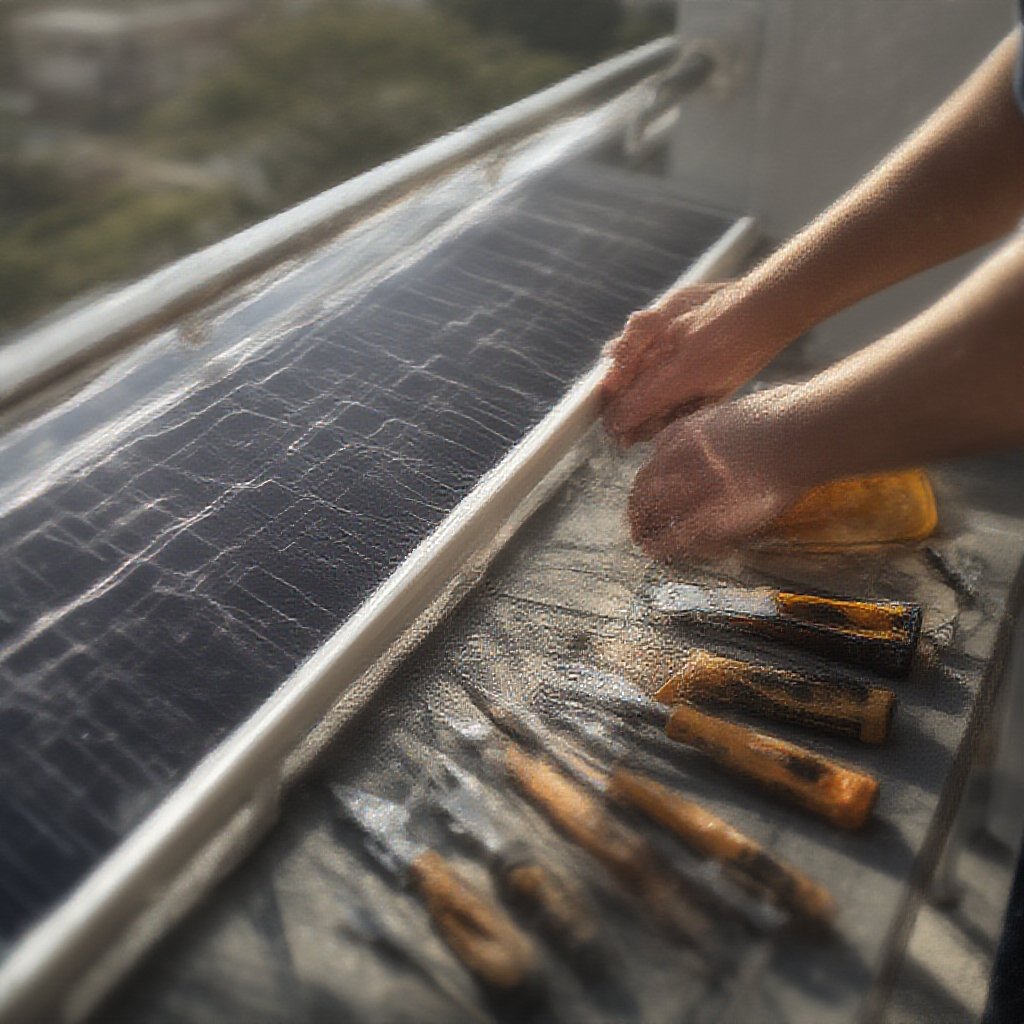
If you want to know whether balcony solar is truly plug-and-play where you live, check the map below for “balcony solar legal states 2026.” Here’s where plug-in solar kit installation is truly no-permit, no-utility-approval as of July 2026:
- Utah (HB 340, effective May 2025): Allows certified plug-in solar up to 1,200W. No interconnection agreement, no utility or landlord approval if within wattage cap.
- Maine (effective July 2026): 1,200W cap; two-tier rule—up to 420W fully DIY, 421–1,200W needs electrician plus utility notification.
- Virginia (effective July 2026): Mirrors Utah structure; certified systems up to 1,200W allowed as appliances.
- Colorado & Maryland (effective 2026): Similar appliance-based carve-outs for certified balcony solar kits up to 1,200W.
Nearly 30 other states have bills pending, but these five are the only ones where you can safely install a plug-in solar kit without permits or utility hoops right now. See a live tracker here for bill updates in your state.
Each of these laws references some form of certification (UL 3700, explained below). The magic number for most is 1,200W: stay at or under this wattage and your balcony solar system is legal as an appliance in these states.
For more, the EnergySage plug-in solar report offers additional state-by-state details.
State rules that change what you can DIY vs. when you need a pro
Laws differ on what you can install yourself versus when a licensed electrician is legally required. “plug-in solar kit” rules break down into two buckets:
- DIY Allowed (No Pro Needed): In Maine, plug-and-play systems up to 420W are fully DIY—just buy, plug in, and go. No notification, inspection, or permits.
- Electrician Required/Utility Notice Needed: Still in Maine, if your system is between 421W and 1,200W, you must use a licensed electrician, and the utility needs a formal 30-day notification (but not permission).
- Utah, Virginia, Colorado, and Maryland: All allow certified plug-in systems up to 1,200W DIY—with no notification—assuming your building code and HOA do not override state law.
“Balcony solar without permit” is not universal—if your system is above the DIY wattage cap, or your city interprets code differently, you might still trigger paperwork or a call to a pro. Always check your building’s structural/vibration limits and local code definitions before proceeding.
For a detailed look at the Maine law including its two-tier system, see Avanza Energy’s analysis.
Top 5 user complaints and real-world pitfalls with plug-in balcony solar
Even when “balcony solar panels” are legal, apartment dwellers and condo owners run into five persistent problems. Here’s what to watch out for based on early 2026 user feedback:
| Pitfall | Why It Happens | How to Avoid or Fix |
|---|---|---|
| HOA or Lease Restrictions | HOAs and some leases still block solar devices, regardless of state law | Read your lease/HOA docs; get written approval if needed |
| Structural or Weight Limits | Balconies may not support panel weight; some buildings have aesthetic rules | Check balcony load rating and size; pick smaller/lighter kits if unsure |
| Shading and Low Output | Many balconies face north or are shaded, cutting actual yield below advertised | Use apps to check sun hours; consider east/west split or adjustable mounts |
| Utility Pushback | Some utilities still request notifications or try to charge “connection fees” despite “no-approval” laws | Show utility new law; document all communication; don’t pay extra if state law forbids it |
| Limited Product Availability | Few models are truly UL 3700 certified; many are “pending” or claim to be equivalent | Buy only from vendors listing full UL 3700 compliance and labeling |
Other pitfalls: lack of moveability (large kits are hard to uninstall), wiring confusion (avoid home-brewed extension setups), and surprised neighbors (confirm with management to avoid disputes). For a breakdown by user story and pricing, see WattBuild’s 2026 Market Analysis.
UL 3700 certification — what it means for safety and legal compliance
UL 3700 is a safety certification developed in 2026 specifically for “plug-in” and “balcony” solar. This standard verifies that the kit is safe to run on a standard 120V US outlet, includes automatic shutdown, GFCI protection, and is not a shock or fire risk if properly used.
Why do states like Maine, Utah, and Virginia explicitly require UL 3700? Because certified “UL 3700 solar panels” are much less likely to cause insurance disputes, and new laws define systems under 1,200W with this label as consumer appliances, just like microwaves or portable air conditioners. That’s what triggers true “balcony solar without permit” status in these states.
When buying, check for “UL 3700 certified solar panel” labeling on the product sheet and user manual. Be wary of “UL listed” claims that don’t specify 3700—older or foreign standards may not cover all US-specific safety features. Look for a certification number or QR code that links to the UL database for proof; the official UL 3700 directory is available on UL Solutions.
UL 3700-listed balcony/plug-in models available in 2026 (and their price ranges)
Product availability is still tight, but three early UL 3700 certified solar panel kits are actually shipping in mid-2026. Here’s a realistic roundup of what you will (and won’t) find in US stores:
- Craftstrom Plug-In Solar Kit (≈800W): Simple, micro-inverter controlled, advertised as fully plug-and-play. US retail $1,200–$1,600. True UL 3700 certification on latest models.
- EcoFlow 1kW Portable Solar Kit: Modular micro-inverter design, includes auto-shutoff. $1,700–$2,000. Marketing as UL 3700 compliant, but check for actual certification paperwork before buying.
- SunPower 1.2kW Plug-and-Play Balcony Kit: Highest-output kit available (see our breakdown). Sells for $2,000–$2,500 if you can find one in stock. Full UL 3700 marking on current run.
Beware: Most plug-in solar kits for US sale still lack valid UL 3700 stickers. Some claim “UL pending” or “UL listed” based on previous standards, which won’t guarantee legal install in the new balcony solar legal states 2026. Supply is limited—expect waiting lists or “ships in 3–4 months” on most new releases.
Want to compare real-world pricing and performance across new arrivals? Check out our best balcony solar kit 2026 roundup.
How to choose the best balcony solar kit in 2026 — a buyer’s checklist
To avoid future headaches and wasted money, use this actionable checklist before you buy a plug-in solar kit:
- Match kit wattage to your state’s cap: Utah, Maine, Virginia, Colorado, and Maryland allow up to 1,200W. Lower output kits travel better if you move often.
- Insist on confirmed UL 3700 or equivalent certification: Don’t trust “UL listed”; check for the actual standard.
- Pick models with a micro-inverter and built-in auto-shutoff: For safety and to limit liability if the power blips or you unplug the cord.
- Check plug type and GFCI compatibility: All US kits must work with standard GFCI outdoor outlets (test your plug before install).
- Weigh the kit: Heavy or large panels may exceed balcony codes or moving-day practicality.
- Review mounting options: Clamp, hang, or stand—does this fit your railing or deck type?
- Compare warranty and US-based support: Look for at least 5 years inverter/panel warranty and email/phone support in case you need repairs as a renter.
- Total cost vs. yield: Kits range $1,000–$2,500 in the US market but actual output varies—run the math to see how much you’ll really save in your apartment before clicking buy.
For a practical wattage-to-price breakdown and maintenance guide, see our plug-in solar kit review.
Step-by-step pre-purchase and installation legal checklist for renters/condo owners
Here’s a simple roadmap to avoid legal disputes, wasted money, or building headaches before you install “plug-in solar panels for renters” in 2026:
- Read your lease or HOA rules—explicit bans still override state law in some cases, especially for visible balcony changes.
- Confirm your state’s law and wattage cap (see above); if you’re not in Utah, Maine, Maryland, Virginia, or Colorado, wait for legislation or check pending bills.
- Check for UL 3700 labels on your intended kit—not just “UL listed.”
- Measure your balcony size and weight limit; make sure your chosen kit fits safely and securely.
- Plan for sun orientation and shading mitigation: north-facing units may not justify the investment.
- If your kit is above the DIY wattage cap (e.g., above 420W in Maine), hire a licensed electrician and send utility notification as required.
- Take photos and keep receipts/paperwork: you may need these for insurance, landlord/HOA, or utility follow-up.
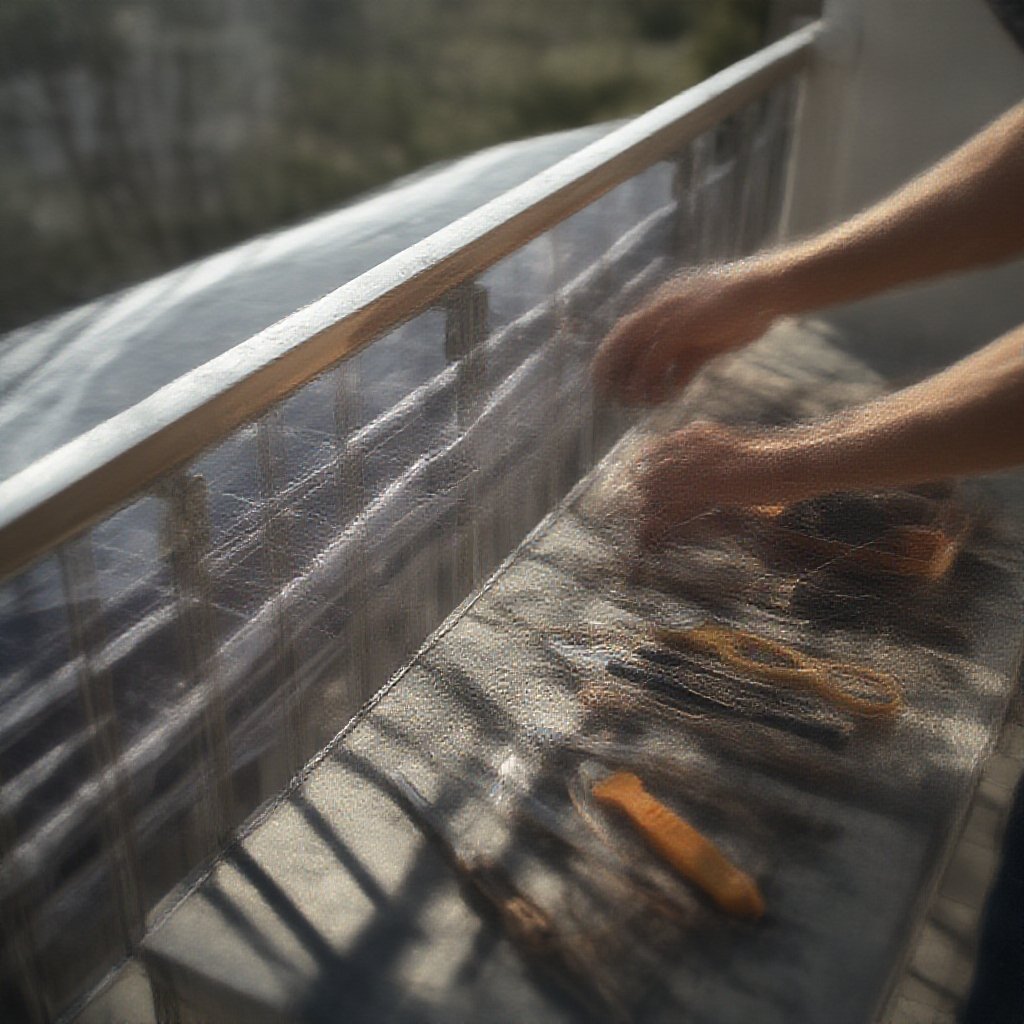
Learn more about these checklists and decision points in our legal prep guide for balcony solar.
Product recommendations by user type
The “best balcony solar kit 2026” isn’t the same for every renter or condo owner. Here’s what works, and why, based on your goals and budget:
- Renter on a tight budget or needing moveability: Sub-420W UL 3700-certified kits (~$1,000–$1,300) are easier to get manager approval and can move with you. Not enough output for extreme savings, but easiest install and lowest risk.
- DIYer wanting more output but still low-cost: Craftstrom Plug-In Solar Kit at 800W (~$1,200–$1,600) balances decent output with a portable form. Good for renters with cooperative management or condo owners who might relocate.
- Condo owner, maxing out state rules, planning long-term: SunPower 1.2kW Plug-and-Play Balcony Kit ($2,000–$2,500) is as much as you can get without paperwork in legal states. More permanent, more cost-effective, but check balcony structure before committing.
Every one of these kits will save far less than a traditional rooftop system, but if you have no roof and want a “plug-in solar kit” you control, these are the best bets for 2026 in the legal states. Compare them on our balcony solar panels trends page.
FAQ — quick answers to common buyer fears and myths
Will my utility disconnect my power if I plug in a balcony solar kit?
In the key legal states (Utah, Maine, Virginia, Colorado, Maryland), utilities are forbidden to disconnect or penalize you for using certified plug-in solar under 1,200W. Some may still request notification, but cannot legally charge extra or disconnect if you follow the law.
Do I always need a permit for balcony solar panels?
No permit is required in the five legal states for certified plug-in kits up to 1,200W. Elsewhere, check your city or county rules and state bill status before buying. If above state wattage limits or not certified, you may need paperwork or electrician sign-off.
Are all plug-in solar kits UL 3700 certified?
No—most plug-in kits in the US are not yet UL 3700 certified as of mid-2026. Only a few brands meet the new requirement. Insist on documentation or check UL’s official product directory before you install.
Can I take my balcony solar kit with me when I move?
Yes; one of the main benefits is portability. As long as your new place and state allow it, unplug, remove the mounts, and reinstall. Always patch up mounting holes (if any) to avoid lease penalties.
Isn’t plug-in solar risky if not properly installed?
As with any electrical device, improper setup can be dangerous. Only buy fully UL 3700 certified kits, follow manufacturer installation guides, and never modify wiring or use non-rated extension cords.
Next steps and resources
Ready to install, or want to track legal changes in your state? Here’s where to start:
- Track legal status: Plug-In Solar Legislation Tracker—updated map, bill tracker, and user community.
- Check certification: UL Solutions’ UL 3700 product database.
- Compare US-certified kits: See our current plug-in solar kit reviews.
- Learn from fellow renters and owners: Engage with the PlugInSolarUSA community for real-world tips and install stories.
Follow these steps and resources to confidently decide whether balcony solar panels are legal and practical for your apartment or condo. Thinking of making the switch? Review your building rules, confirm your state’s law, and start comparing plug-in solar kits today—real savings are now possible without roof access or permits.